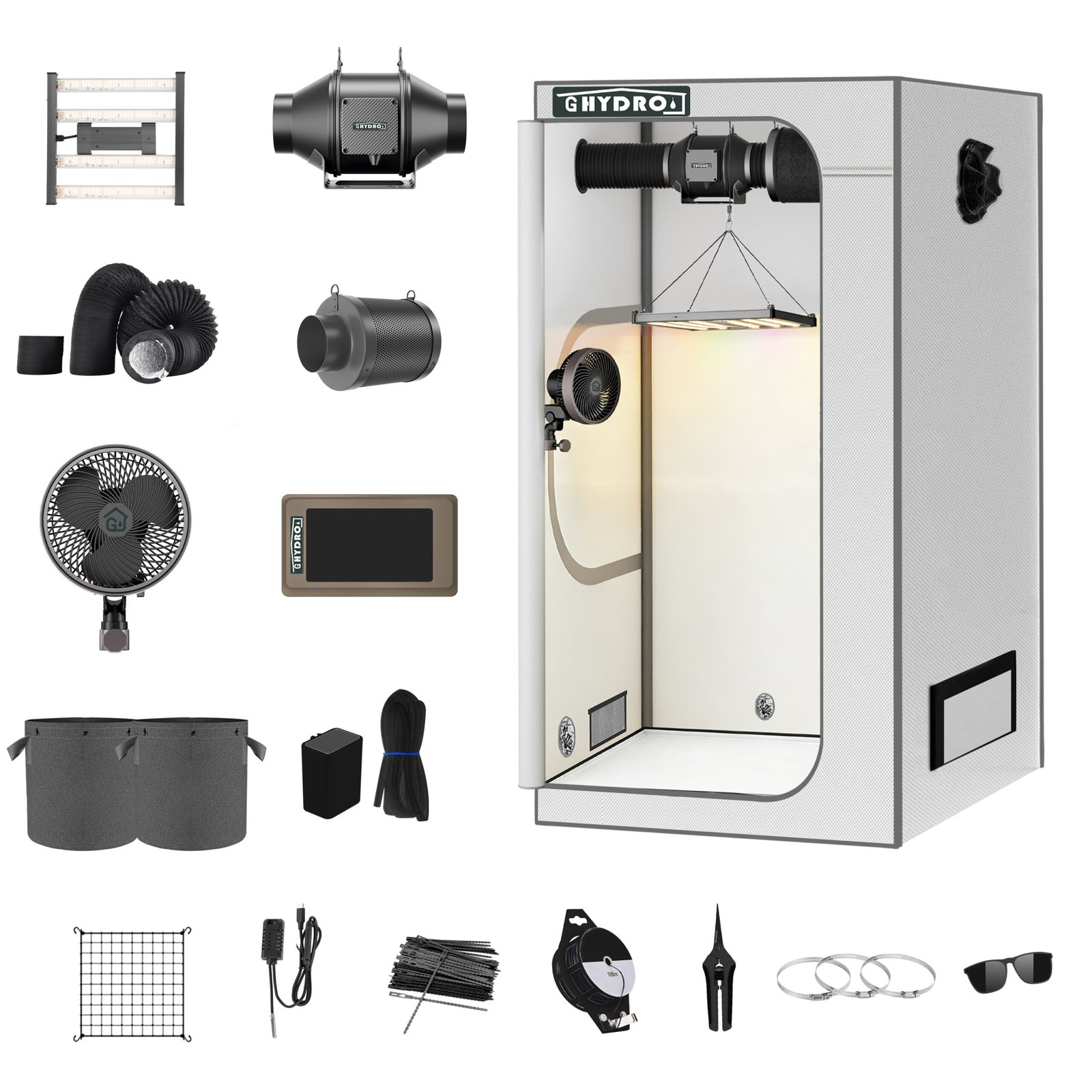
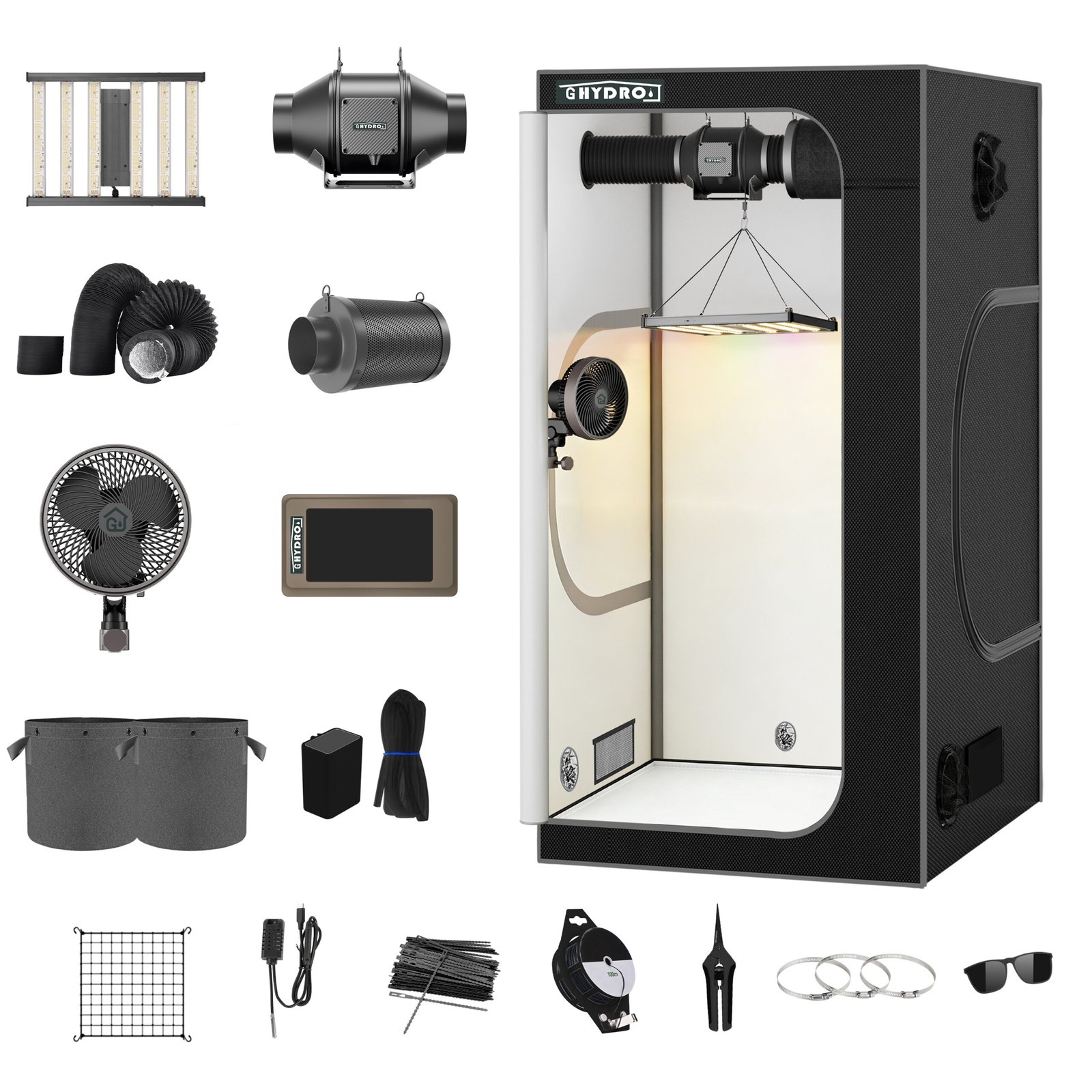
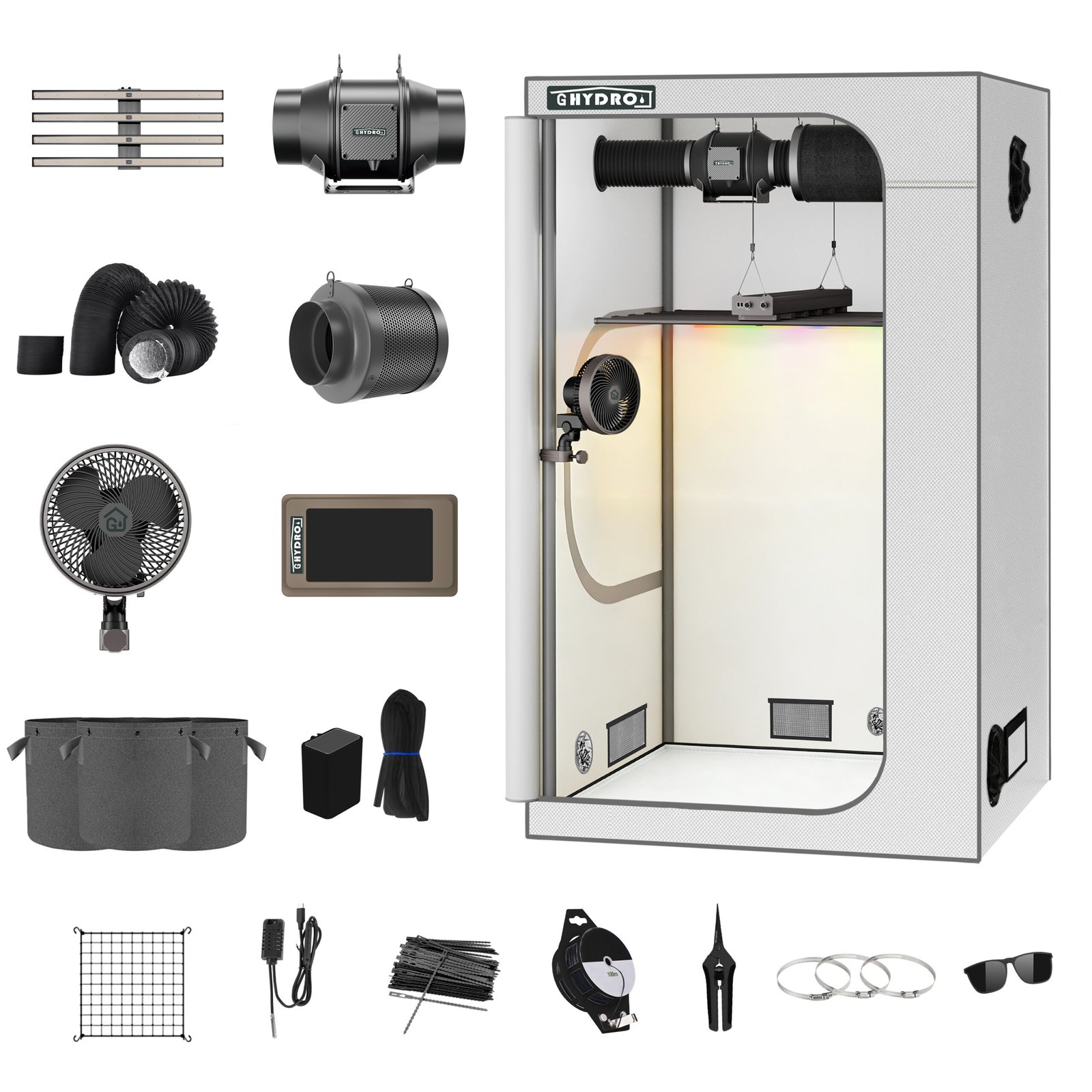
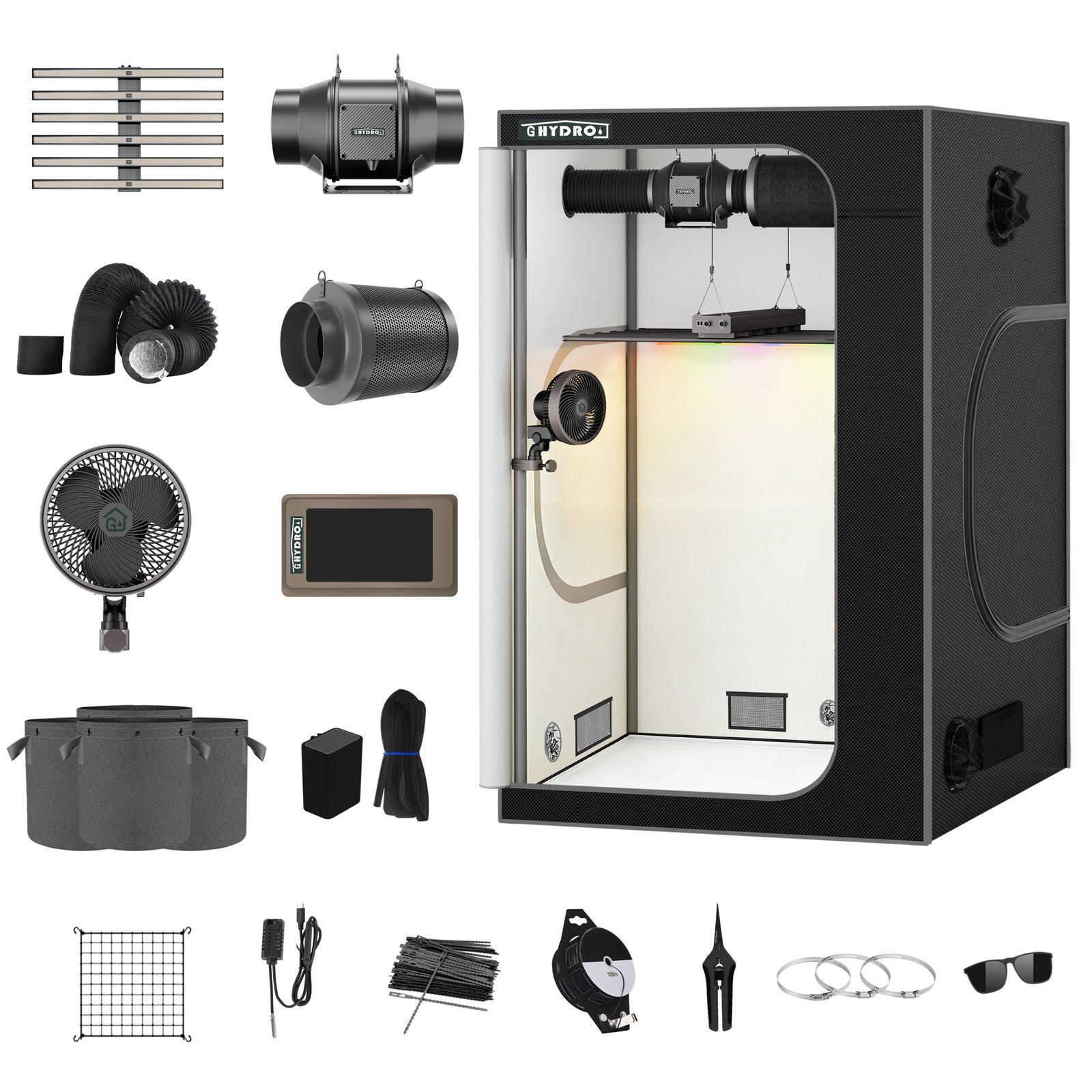
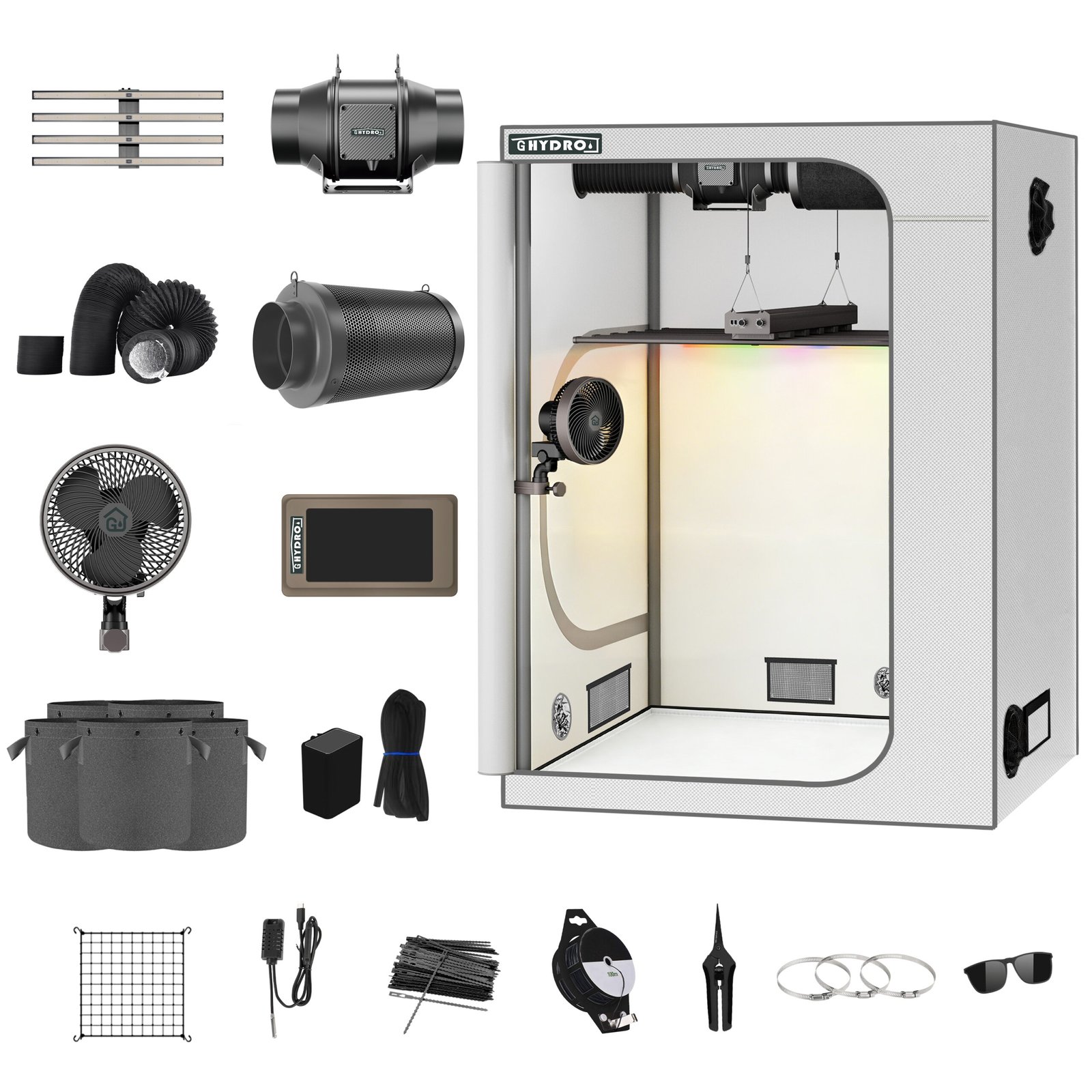
The indoor agriculture industry faces growing scrutiny over its high energy footprint, with conventional grow operations relying on inefficient lighting and poorly insulated tents that waste electricity and water. Green Hydro has engineered its signature enclosed indoor grow system around core sustainable design principles, creating a low-carbon cultivation platform that reduces resource waste without sacrificing crop output.
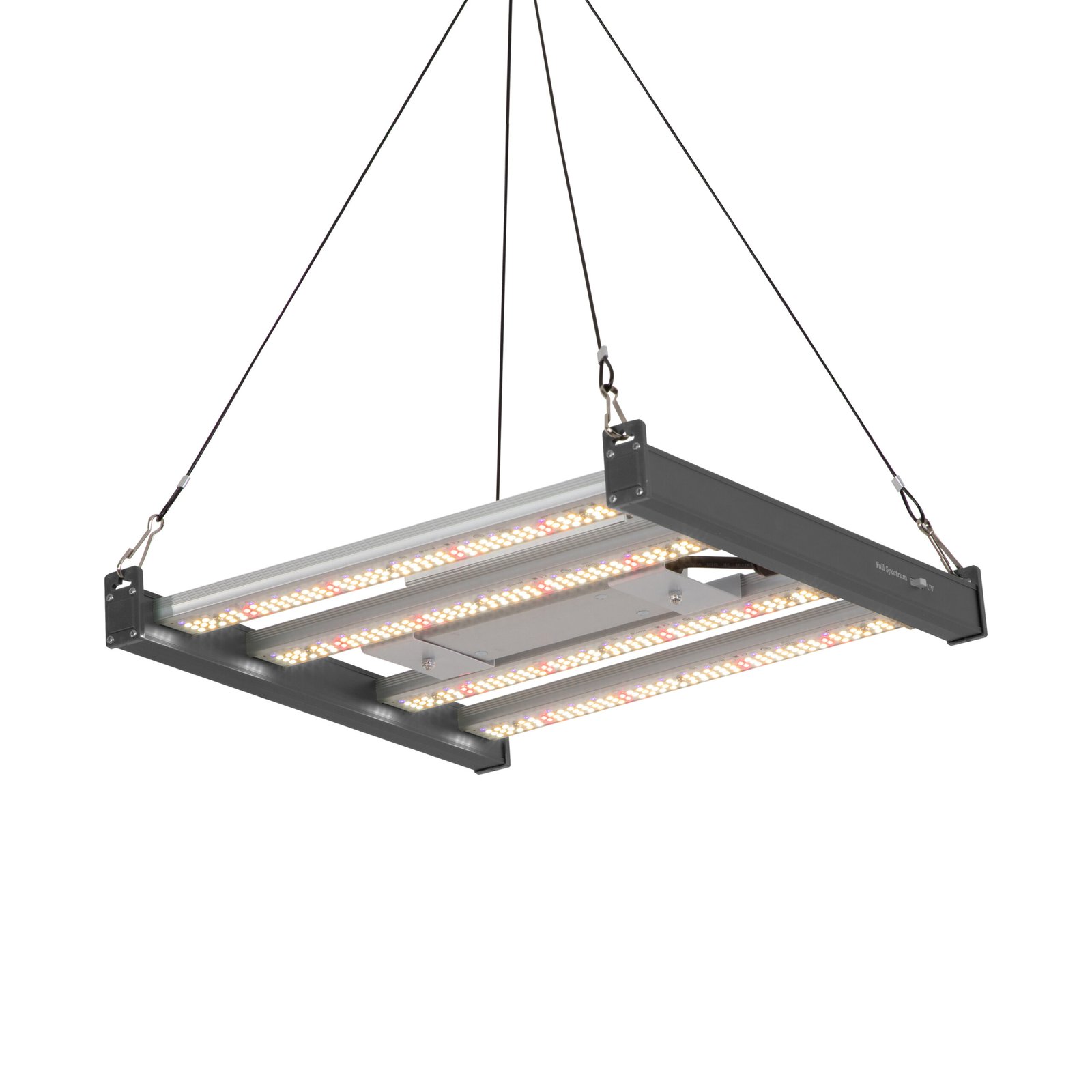
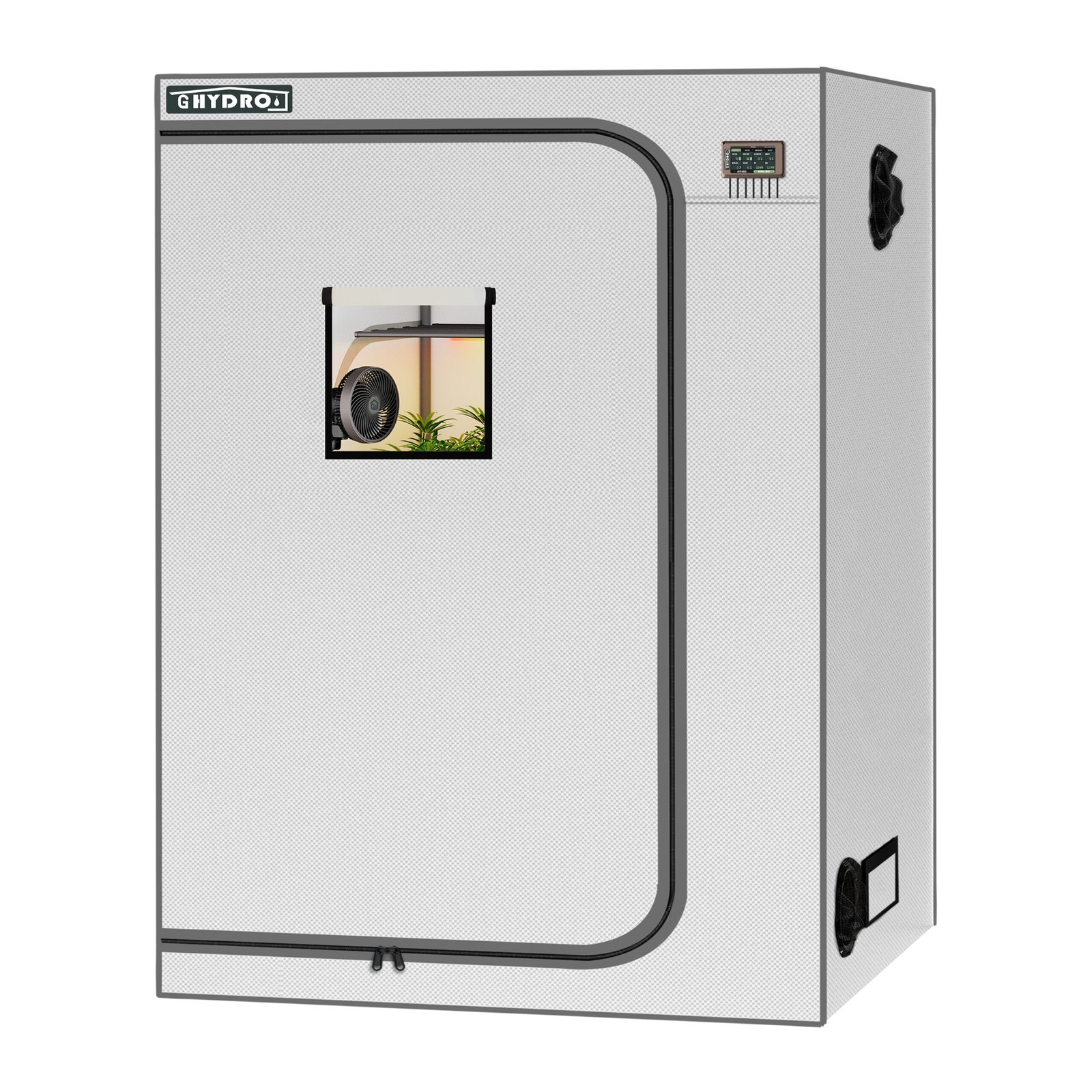
At the heart of Green Hydro’s eco-focused design lies its high-density reflective insulation layer. Standard grow tents allow massive light leakage, forcing LED lamps to run at higher power to compensate. Green Hydro’s multi-layer Mylar barrier contains 98% of light within the growing chamber, lowering required lighting wattage and slashing monthly electricity consumption for growers. Complementing this is the brand’s energy-efficient full-spectrum LED panel system, engineered to deliver precise photosynthetic wavelengths without generating excess heat that strains cooling systems.
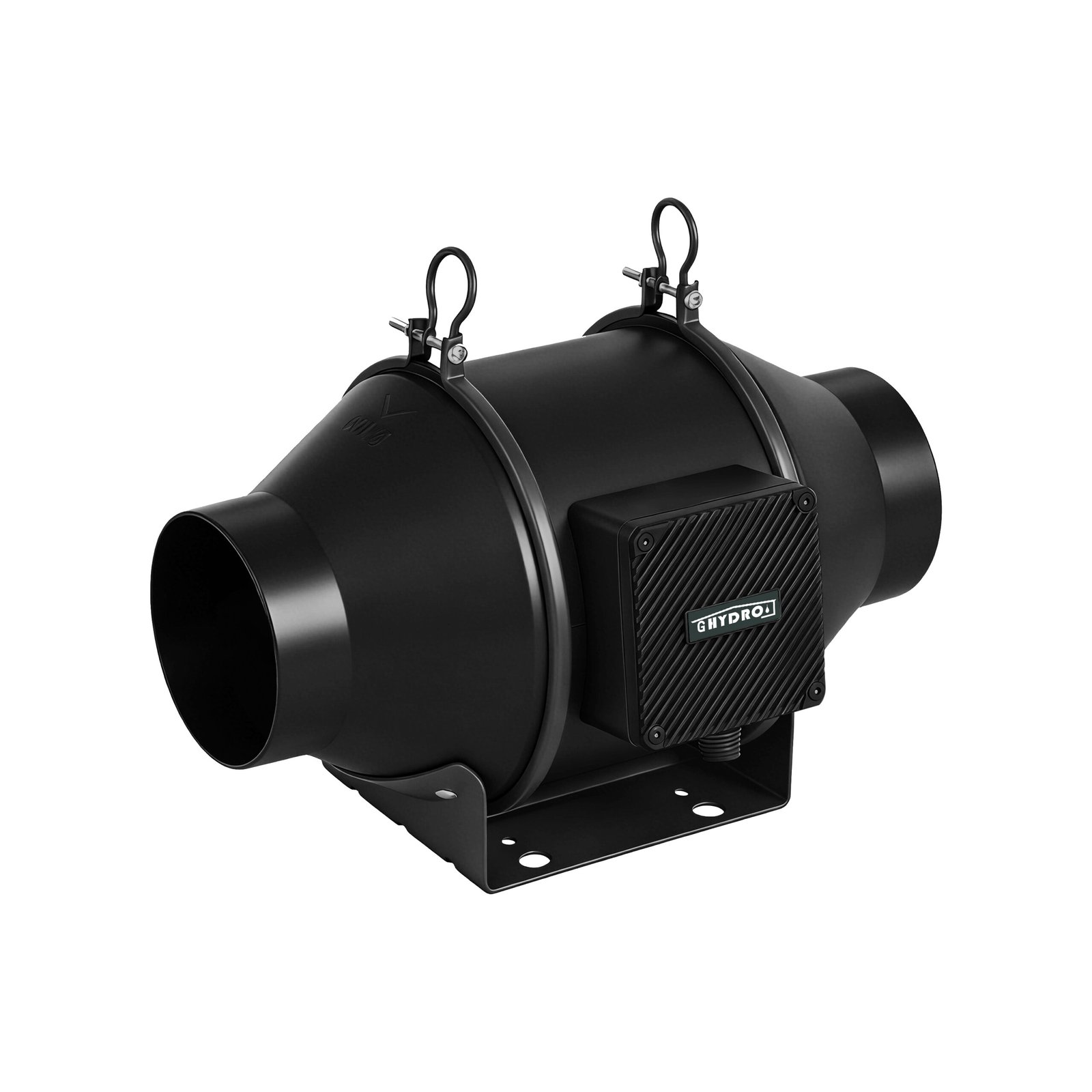
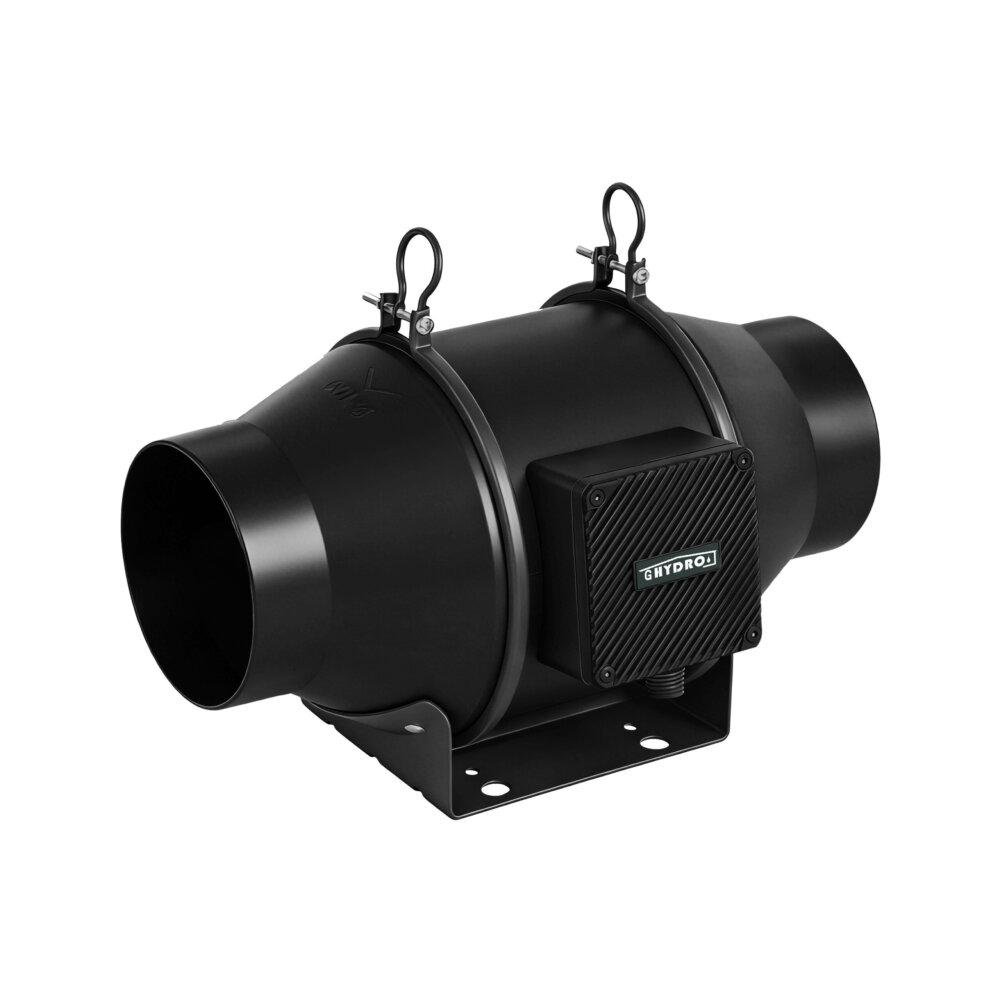
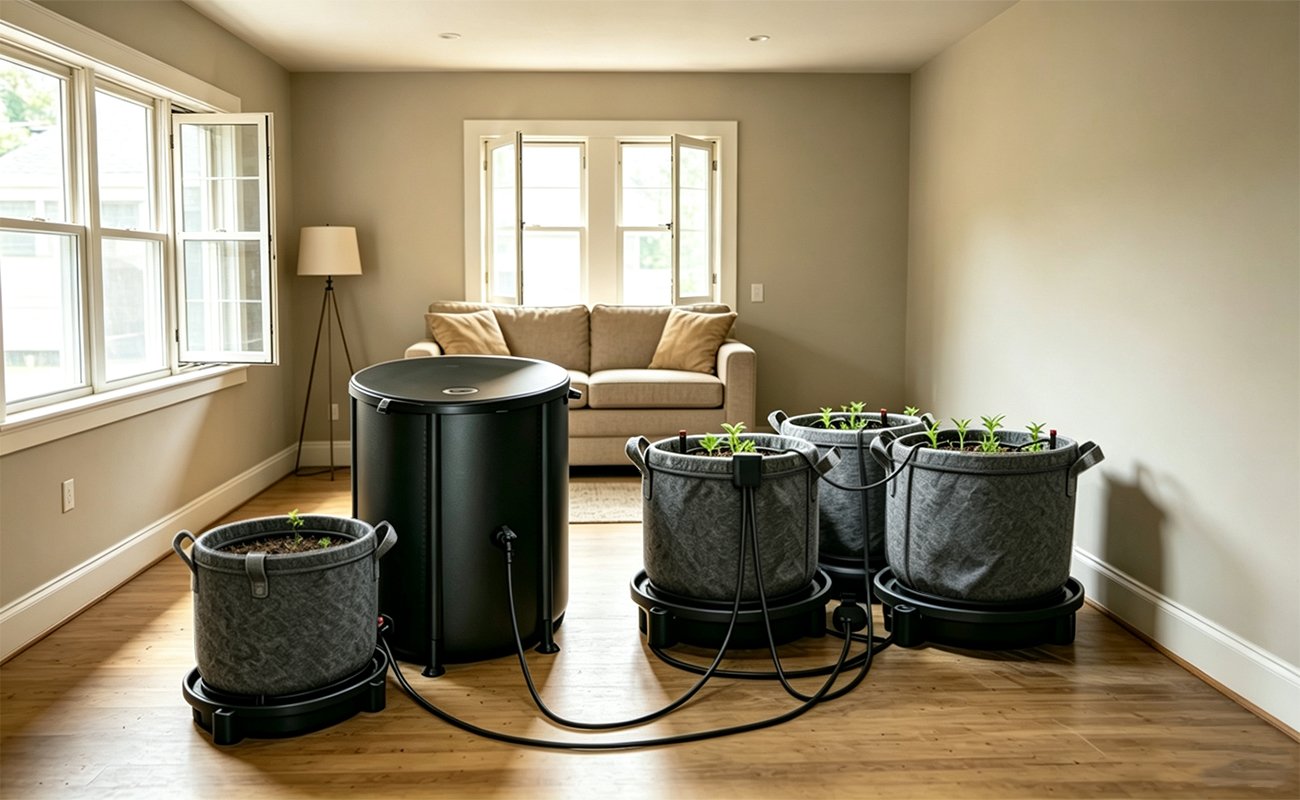
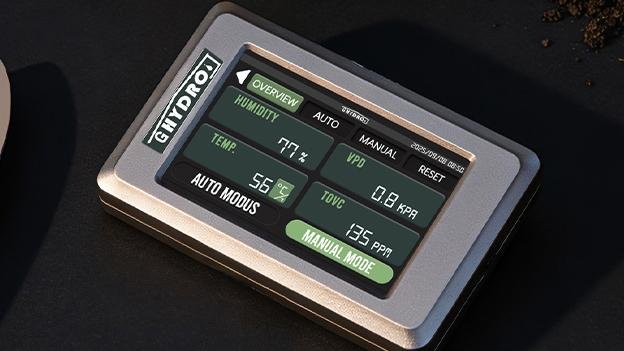
Water conservation is another key sustainable feature integrated into every Green Hydro grow cabin. The sealed, fully enclosed structure limits transpiration water loss into surrounding living or commercial spaces, allowing hydroponic reservoir systems to recirculate nutrient water with minimal top-offs. The optimized ventilation system also reduces the workload of dehumidifiers, another major energy drain in traditional indoor grow spaces.
Beyond operational resource savings, Green Hydro prioritizes circular manufacturing practices for its grow tents. Frame components use recyclable aluminum, while the exterior fabric is constructed from recycled plastic fibers. For environmentally conscious home growers and sustainable commercial farms alike, Green Hydro proves high-yield indoor cultivation and low-carbon operations are not mutually exclusive. As climate-focused agriculture standards tighten, sustainable turnkey grow systems will become essential tools for eco-friendly indoor food and crop production.